

Can Road Tennis Serve Its Way To Global Popularity?
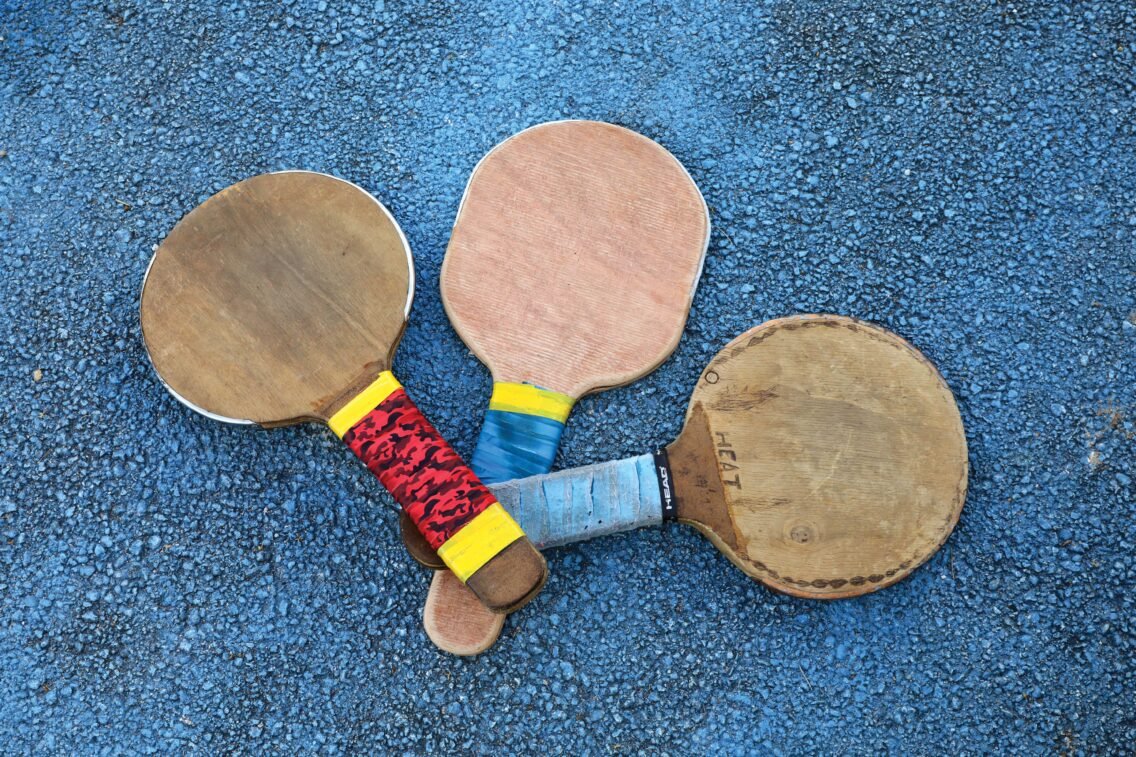
Barbados may lack the oil fields and other mineral deposits of neighbouring islands, but it boasts a hidden treasure all its own. This treasure isn’t buried underground or beneath the sea—it’s played out in the streets and on courts across the island. Road Tennis, a sport born and bred in Barbados, holds untapped potential to capture the world’s imagination and connect with younger audiences in a whole new way.
Road Tennis has captured the attention of international audiences sporadically over the years generating spikes of media buzz for our beloved sport. Andy Murray had only one hour to learn the sport before facing off with former Barbados champion, Sylvan Barnett, for Adidas’ “The Game is the Game” video series in 2012. Ten years later Nike featured the sport in an article showcasing amazing drone footage of courts on the island across social media. Episode 36 of the Amazing Race television show (aired in 2024) brought six teams to Fairfield to attempt to earn 11 pts against local players in exchange for their next clue.
While these moments have piqued global curiosity, Road Tennis remains on the fringes of the international sports scene. So, what’s holding it back?
Dale Clarke, Founder and President of the Professional Road Tennis Association (PRTA), has spent decades championing the sport on home soil and abroad. He believes our sport has the potential to be the #1 racquet sport in the world. “These features come about because producers, editors and writers are seeing footage of the game being played,” says Clarke. “As soon as people see Road Tennis, they’re curious. As soon as they play, they’re addicted.”
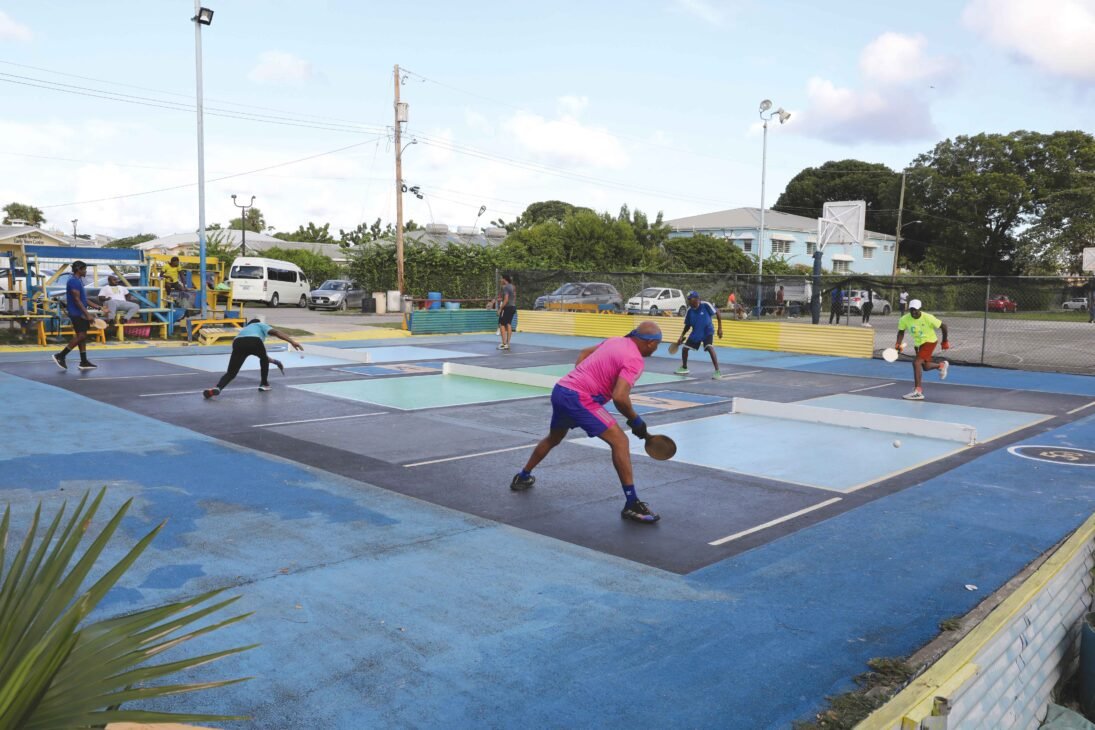
While Road Tennis has retained its charm and cultural roots since its inception in the 1930s, its rules and equipment have remained largely unchanged. Yet, as the success of other sports has shown, subtle innovations in format and presentation can open new doors to global enthusiasts. Perhaps it’s time for Road Tennis to take inspiration from these success stories and rethink how the game is played, packaged, and promoted to captivate fans and athletes of all ages worldwide.
Strategic format changes and rule adaptations are the norm as inventors of several sports strive to improve the flow of play, captivate crowds and allow for skills and tactics to advance at a pace equal to the growing creativity and physical prowess of players. Many changes are brought in simply to improve the game, but as of late some modifications are proposed with the sole purpose of making the game more marketable. It was marketing manager, Stuart Robinson, that optimized the original T20 Cricket format invented by former New Zealand captain Martin Crowe which was voted through in 2003. Volleyball governing bodies have simplified scoring to generate excitement in every point.
The most recent adaptation of Rugby Sevens, now branded simply as SVNS, has taken the world by storm – even supplanting traditional Rugby on the Olympic stage in 2016. The sporting body has further boosted quicker, more energetic matches enjoyed by spectators by wrapping competitions with festival-style gatherings including food, drink, music and entertainment that creates a destination event worth travelling for. With only eight tour stops globally, the experience at every event is designed to be a consistent vibe and quality attracting global sponsors.
Traditional sports are also looking for new ways to tell their story and re-engage fans. When actors Ryan Reynolds and Rob McElhenney purchased the previously mismanaged Welsh football club Wrexham A.F.C, they used their star power to garner international attention through a documentary series, Welcome to Wrexham. Multiple seasons of the series chronicled the adventures of two inexperienced owners attempting to revitalize the third oldest football club in the world (and the town) winning eight Primetime Emmy Awards and millions of new fans. The same docuseries format has delighted F1 Racing and NHL fans with behind-the-scenes footage previously opaque to sports fans helping increase TV viewership of games and sell team merchandise.

The success of Wrexham, Rugby Sevens, and other sports demonstrates the power of sport innovation, marketing, and storytelling to connect with modern audiences. Road Tennis, with its vibrant spirit and accessibility, has the same potential—but can it take the necessary steps to follow suit without losing the cultural magic that makes it unique?
After watching only a few minutes of Road Tennis, any spectator can appreciate the Bajan spirit on full display. It’s not just about athleticism, but the ability to be fiercely competitive while simultaneously spitting witty and oddly specific banter at your opponent plus precisely controlling whether to stifle or unleash a smile in response. At closer listen, there is a great deal of respect and admiration exchanged between opponents on the court. The courts and spectators are lively, the pace dizzying.
While keeping the grit and local charm, Clarke would like to clean up the image of the sport. He believes more professional uniforms and standardized judging for signature games and tournaments similar to tennis would support global expansion. He adds, “We can copy/paste a lot from tennis” including shortening tournaments from 3 months to 2 weeks to encourage players to travel from abroad to compete and also to hold the attention spans of younger spectators. To spur global participation, he would like to continue showcases around the world and provide a standard coaching certification program similar to FIFA.
One promising step toward modernization is RT13, a shorter game format designed to make Road Tennis even more accessible and thrilling. Tested in 2019 before Covid, the adapted format will be reintroduced in 2025 and allow for quicker games well suited to school programmes and community courts. There are a handful of rule changes that support even more intense competition. Each player is allowed three serves rather than five. There are no deuce games and the first player to 13 points is crowned the winner instead of playing to 21. Current men’s number one ranked player, Mark ‘Venom’ Griffith believes that, “A shorter version of the game takes away the needed fitness but will captivate fans’ attention from ball one”.

Clarke has also gone so far as to develop and manufacture a specific ball for Road Tennis. Traditionally players have simply skinned a tennis ball and played with the drab coloured inner core. The new balls are designed to show better on a televised broadcast. This has been a great step to help broaden the audience for the sport globally.
Marketing Road Tennis to international audiences and potential players is no easy feat, but it has been made easier with social media and the ease of sharing video. Of course, once you’ve sparked interest, there is no substitute for showcasing the sport in person. Local groups require equipment and basic coaching to facilitate sustained participation.
To date, Clarke has showcased Road Tennis in countries around the world including: USA, Canada, Dubai, Philippines, England, Pakistan, Rwanda and Zimbabwe. Unlike Pickleball or Padel, Road Tennis is extremely accessible for mass audiences of all demographics. It does not require a special surface, large fixed nets or erection of walls. A court is only 21×12 feet in size which fits perfectly on relatively narrow roads – almost any flat space can become a battleground. The court can be painted, or simply drawn in chalk as was common to do for many years. Athletes of all ages are welcomed and encouraged. Currently the oldest player in Barbados clocks in at 87 yrs old with no signs of slowing down.
Despite amazing progress, the trajectory of Road Tennis has not been without its challenges. Clarke laments that the pandemic, served a killer blow to participation and sponsorships. At present, only one tournament remains which is run by the government with a lower purse than organizers and athletes had hoped – a far cry from cash and cars up for grabs in the past.
Local grassroots participation has also been an issue. Sheldene Walrond has been playing Road Tennis for over thirty years. She started playing as a child but started to take it more seriously in her thirties. Walrond feels that more needs to be done to promote girls and women taking up and sticking with the sport. “Starting with the schools, we need to include Road Tennis in the games curriculum and provide mentorship to girls to keep them playing,” she says. With more girls and women participating, Walrond hopes for a future where sponsorships and media attention are equal for men and women. With so much untapped potential, Road Tennis stands at a crossroads. If Barbados embraces innovation while preserving its cultural soul, this street-born treasure could soon captivate courts and hearts around the globe. Clarke knows it is time to get serious about promoting the sport and highlighting its Bajan roots. He believes, “We need to go to the lab and get creative” before another country patents ‘street tennis’ and steals our national treasure.” There is a huge opportunity here for Barbados so hopefully we can figure out a way to grow the sport and get global appeal; the ball is in our court.